
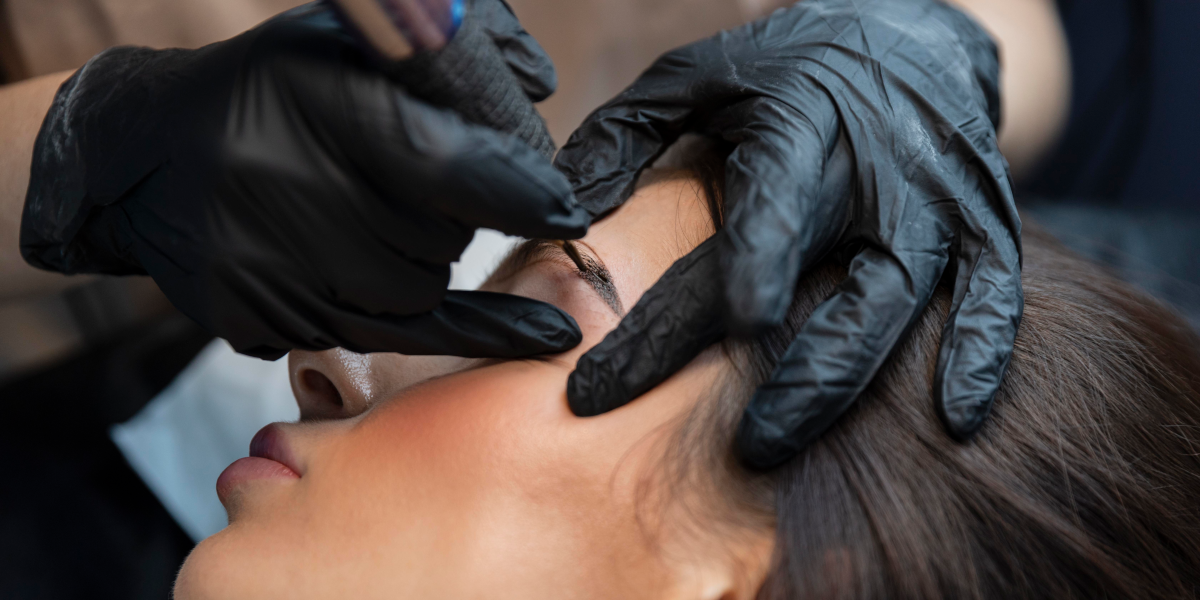
You want to give your eyebrows more shape, but as you look for information, two similar-sounding words appear: micropigmentation and microblading. Is the difference in the technique, the finish or the aftercare?
Before choosing, it helps to separate two things: how the pigment is applied and the effect you want. A photo can serve as a reference, but the decision also depends on your skin, the brow hair you already have and any previous treatments.
Table of Contents
How they differ
As these terms are commonly used, microblading refers to manual work with a tool that creates hair-like strokes. Machine micropigmentation uses a device to apply pigment and allows for different finishes, including shading.
The difference is not simply that one technique is always more natural-looking or lasts longer. Nor does all machine work look like heavy makeup: the result depends on the design and how it is carried out.
- Hair-stroke effect: aims to add strokes that blend visually with your brow hair.
- Powder effect: creates shading similar to softly blended makeup.
- Other treatments: micropigmentation is also used on lips and other areas, with different aims and techniques.
What to consider in your case
If your skin is oily, sensitive, scarred or already has pigment, mention this during the initial assessment. Choosing solely by an online rule such as “dry skin, microblading; oily skin, machine” is not a good idea.
Explain what you would like to change and what you would rather keep. You might want to fill a small gap, define the tail of your brow or create a more even effect. You can also say which results you do not like.
Before pigment is applied, check the proposed design, thickness, shape and colour. Ask how the appearance is expected to change during healing and what limitations apply in your case.
Longevity and maintenance: think in estimates
Pigment can change and lose intensity over time. How long it lasts depends on the technique, skin, sun exposure, aftercare and other factors; no one can promise the design will stay perfect for a fixed number of years.
Ask whether the proposal includes a review, when a touch-up would be assessed and what maintenance might be needed. Aftercare and timings should be explained for the specific treatment.
If you have a skin condition, take relevant medication or have had previous reactions, mention it beforehand. You may need to consult a healthcare professional or postpone treatment.
What if you are looking for areola micropigmentation?
This service has different requirements from eyebrow design. It needs a specific assessment of the tissue, medical history and the right time to carry it out. For treatment following surgery or cancer care, it must be coordinated with the healthcare team’s guidance.
It can be part of a personal choice, but it should not be presented as something you must do to regain confidence or close a chapter. Each person decides what they need and when.
A consultation to understand your options
At Bon Vivant Tattoo Studio, on Calle Montera in Madrid, you can ask about our services and an assessment with the micropigmentation team, which includes Flavia Soares.
Bring references if you have them, and share your questions. You do not need to arrive knowing which technique to ask for: the consultation should help you understand the options and decide without pressure.