
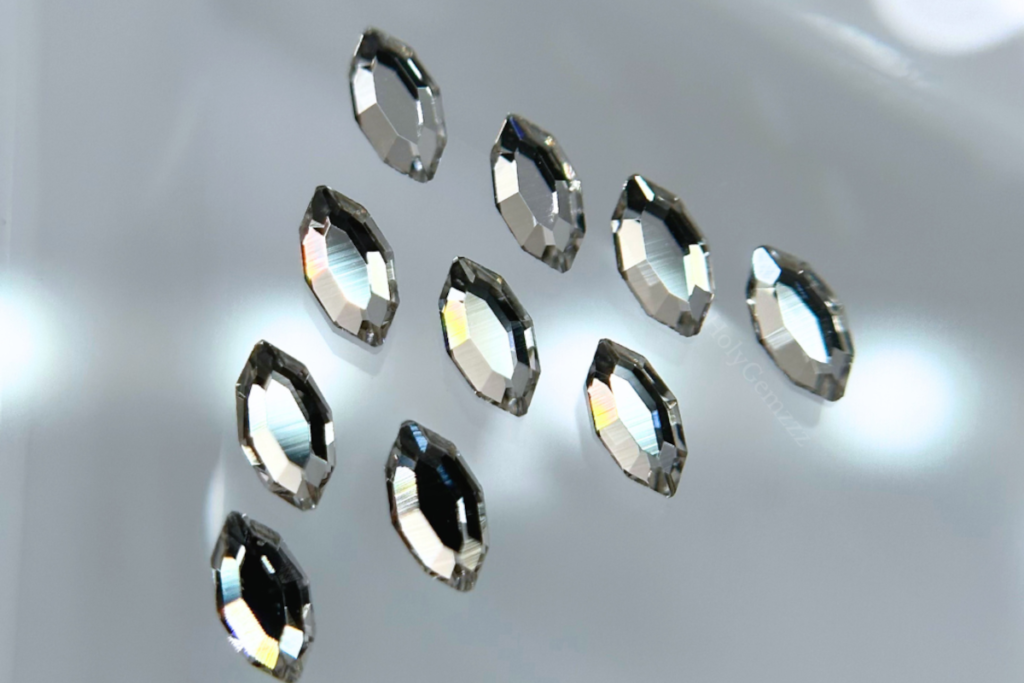
When we decide to modify our body, whether with a realistic sleeve or a septum, the first thing we look at is the studio. We look for sealed needles, disinfected surfaces and an artist who knows what they are doing. With dental jewelry it should be no different. However, when it comes to the mouth, we enter a realm where biosafety is even more critical.
The question is not just whether the glass will shine, but whether your enamel will still be healthy two years from now. In this article we will look at safety from a technical point of view, dismantling the risks of bad practices and explaining why clinical professionalism is the only way to a modified smile without sequelae.
Table of Contents
Tooth enamel: a non-regenerative canvas
Unlike skin, which is constantly regenerating, the enamel on your teeth is a limited resource. Once it is damaged or eroded, it does not grow back. Therefore, any cosmetic intervention must be strictly superficial and reversible.
The safety of professional dental gems lies in the fact that they do not alter the structure of the tooth. Here we explain the chemical factors that guarantee this protection:
- Micromechanical bonding: Instead of drilling, we use a conditioning gel that prepares the enamel pore at microscopic levels. This technique has been used in dentistry for decades for brackets.
- Chemical neutralization: After preparation, the tooth is washed and dried, stopping any chemical process. The enamel is ready to receive the resin without suffering burns or weakness.
- Peripheral sealing: The adhesive material (composite) must perfectly seal the contour of the gemstone. If a gap is left, a bacterial niche is created where food debris can cause decay under the gem.
If the process is done well, the gem is simply an external “add-on” that protects the area it covers, as if it were a tiny armor.
Biosafety protocols: the standard of an elite study
Many people make the mistake of thinking that putting on a gemstone is like putting on a sticker. Nothing could be further from the truth. In a professional setting, hygiene protocols are similar to those of a minor cosmetic surgery or a high-end piercing session.
For the process to be safe, these minimum requirements must be met in the study:
- Sterile instruments: Every forceps, probe or probe that touches your mouth must have undergone an autoclave sterilization process or be single-use.
- Field isolation: The mouth is full of bacteria and moisture. A practitioner will use retractors and cotton rolls to create a temporary “sterile zone” on the chosen tooth.
- Eye protection: Both the client and the applicator should wear protective eyewear during the use of the light curing lamp, as the high intensity blue light can be harmful to the retina without proper filtering.
- Nitrile gloves and mask: It seems basic, but cross-contamination is the highest risk in any body modification.
The chemistry of glitter: why household glue is poison
This is the point where we have the most impact for your safety. The kits sold on the internet usually include adhesives that have not passed any sanitary control for their use on humans.
Using unprofessional glues carries serious medical risks that you should be aware of:
- Systemic toxicity: Contact or industrial glues give off vapors and chemicals that pass directly into your bloodstream through the mucous membranes of your mouth.
- Gingival burns: Gum tissue is extremely sensitive. An aggressive adhesive can cause gingival recession or soft tissue necrosis.
- Fungal infections: Household adhesives are often porous. Over time, they absorb moisture and become the perfect place for fungal growth and bacterial colonies that cause chronic bad breath and infections.
In a professional studio, we use light-curing resins. These resins are inert once they are cured with the lamp, which means that they do not react with anything or release harmful particles.
Warning signs: how to identify a negligent service
If you are looking for a place in Madrid to have your gems set, you must learn to identify when a place is not safe. Safety is not negotiated for a lower price.
These are the red flags or warning signs that should get you out of the studio immediately:
- Lack of prior consultation: If they don’t ask you about your oral health, if you bleed when brushing or if you have sensitivity, they don’t care about your safety.
- Use of “quick glue”: If you see a bottle of superglue-type liquid glue being pulled out, stop the process. It is illegal and dangerous.
- Dirty environment: If the couch is not protected with disposable paper or if the applicator touches the cell phone with gloves on before working in your mouth, run away.
- Plastic jewelry: Cheap materials degrade with saliva acid. Always demand high-end crystals or noble metals such as gold.
The role of plaque and the health of your gums
Even the most professional work in the world needs your cooperation to remain safe. The dental gem creates a small relief on the surface of the tooth. If you are not meticulous about cleaning, that relief can trap plaque.
To maintain long-term hygiene, you should follow these tips:
- Precision brushing: It is not enough to simply pass the brush over it. You must go around the gemstone with the bristles to ensure that the edge of the composite is always clean.
- Inflammation control: If you notice that the gum surrounding the tooth with the gemstone becomes red or bleeds, it is a sign that dirt is accumulating.
- Integrity checks: If you notice that the gem moves or the edge of the resin feels rough, go back to the studio. A “loose” gem is a magnet for cavities.
Responsible esthetics: commitment to the customer
Professionalism is also about knowing how to say “no”. A good applicator will advise against putting a gemstone on if they detect that your enamel is very weakened, if you have advanced gingivitis or if the tooth you have chosen has a veneer or a veneer (since the adhesive does not hold the same on porcelain as it does on natural enamel).
Body modification in the mouth is an art that must coexist with health. It’s not just about making your Instagram photo look good, but also about keeping your mouth functional and healthy. Professional ethics oblige us to prioritize your physical well-being over any passing trend.
In a reference studio, transparency is total. They should explain what materials they use, how long the process will take and how they will remove the piece when you decide to change your style. That communication is what builds a relationship of trust.
If you are looking for a place where urban aesthetics meets clinical rigor, remember that the choice of the center is the most important step. At Bon Vivant Tattoo Studio we take biosafety very seriously and can place your dental gems with total professionalism, offering you a sterile environment and the highest quality materials so that your only concern is choosing which design best represents you.


